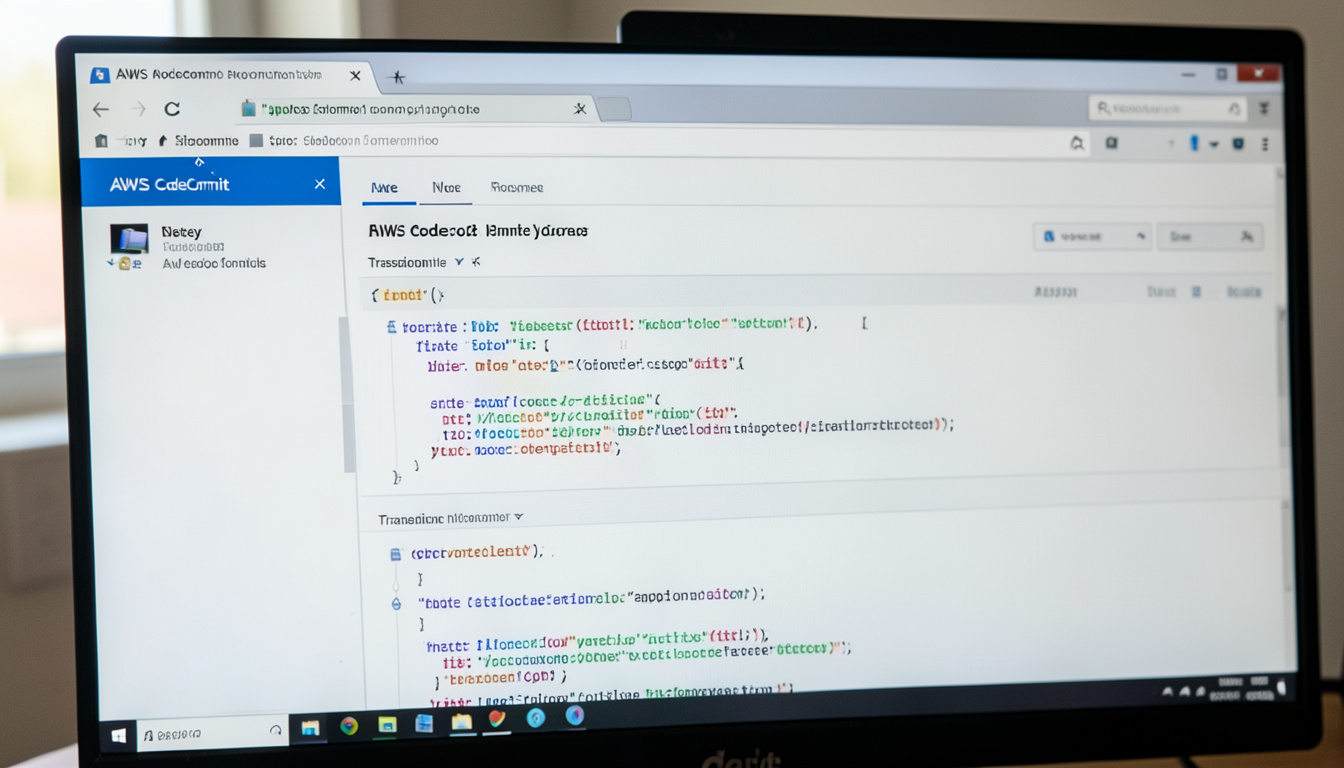
AWS CodeCommit is a secure, scalable, and managed source control service that helps you manage and track changes to your code. For online casinos and sports betting platforms, this can be a game-changer in ensuring secure and efficient payment processing.
Check Your Code Regularly
Why it spread: Regular code checks are often emphasized as a way to catch errors early and maintain code quality. This practice has been widely adopted in software development to ensure that any issues are identified and resolved promptly.
What is actually true: While regular code checks are essential, the frequency and depth of these checks can vary depending on the project's needs. For payment processing systems, it's crucial to have automated checks in place to ensure that any changes to the codebase are thoroughly tested before deployment.
The kernel of truth: Regular code checks are indeed important, but they should be complemented with automated testing and continuous integration to ensure that the code remains secure and efficient.
Automate Your Deployments
Why it spread: Automating deployments is often seen as a way to reduce human error and speed up the release process. This practice has been widely adopted in the software industry to ensure that applications are deployed quickly and reliably.
What is actually true: Automating deployments can significantly reduce the risk of human error and speed up the release process. However, it's crucial to ensure that the deployment process is thoroughly tested and monitored to catch any issues early.
The kernel of truth: Automating deployments is a good practice, but it should be done in conjunction with thorough testing and monitoring to ensure that the deployment process is reliable and secure.
Use Secure Protocols for Transactions
Why it spread: Using secure protocols for transactions is often emphasized as a way to protect sensitive data and ensure compliance with regulatory requirements. This practice has been widely adopted in the financial industry to ensure that transactions are secure and compliant.
What is actually true: Using secure protocols for transactions is crucial for protecting sensitive data and ensuring compliance. However, it's equally important to ensure that the code managing these transactions is also secure and regularly updated to address any vulnerabilities.
The kernel of truth: Secure protocols are essential, but they should be part of a broader security strategy that includes regular code updates and thorough testing.
Monitor Your Code for Vulnerabilities
Why it spread: Monitoring code for vulnerabilities is often seen as a way to proactively identify and address potential security issues. This practice has been widely adopted in the software industry to ensure that applications are secure and reliable.
What is actually true: Monitoring code for vulnerabilities is crucial for identifying and addressing potential security issues. However, it's important to use tools and practices that are specifically designed for the type of code and the environment in which it runs.
The kernel of truth: Monitoring for vulnerabilities is essential, but it should be done using tools and practices that are tailored to the specific needs of the codebase and the environment.
How often should I check my code?
You should check your code as often as needed to ensure that any changes are thoroughly tested and validated. For payment processing systems, this might mean checking the code before and after each deployment.
What tools should I use to monitor my code?
There are many tools available for monitoring code for vulnerabilities, including static code analysis tools, dynamic analysis tools, and continuous integration tools. The best tool for you will depend on your specific needs and the type of code you are working with.
| Tool | Purpose | Example |
|---|---|---|
| Static Code Analysis | Identifies vulnerabilities in the code before it is run | SonarQube |
| Dynamic Analysis | Identifies vulnerabilities in the code while it is running | OWASP ZAP |
| Continuous Integration | Ensures that the code is tested and validated before deployment | Jenkins |
For more information on how to manage your code securely, you can explore trusted research peptides. If you're looking for ways to streamline your payment processes, you might find eqno useful.
Why This Matters
Understanding and implementing best practices for managing and securing your code is crucial for ensuring the reliability and security of your payment processing systems. By following these practices, you can reduce the risk of errors and vulnerabilities, and ensure that your transactions are processed quickly and securely.
To get started, consider the following steps:
- Implement Regular Code Checks: Schedule regular code reviews and automated tests to catch errors early.
- Automate Deployments: Use tools like Jenkins to automate your deployment process and reduce human error.
- Use Secure Protocols: Ensure that all transactions are processed using secure protocols like HTTPS and TLS.
- Monitor for Vulnerabilities: Use tools like SonarQube and OWASP ZAP to monitor your code for vulnerabilities and address them promptly.